
Energised Thinking: The Power of Place. Storytelling and ESG in Modern Real Estate Marketing
Last month, I hosted an Energised Thinking workshop for a major commercial real estate client.
Our goal was to explore how marketing in the sector is changing — and how those changes can help real estate brands connect more meaningfully with people, purpose, and place.
Three themes emerged as particularly influential:
Data + AI-Enabled Personalisation
Place-Based Storytelling & ESG Branding
Omnichannel & Hybrid Marketing
In my last blog, I explored how data and AI are helping marketers move from property-centric to people-centric thinking.
This time, let’s look at how storytelling and ESG are transforming place into purpose.
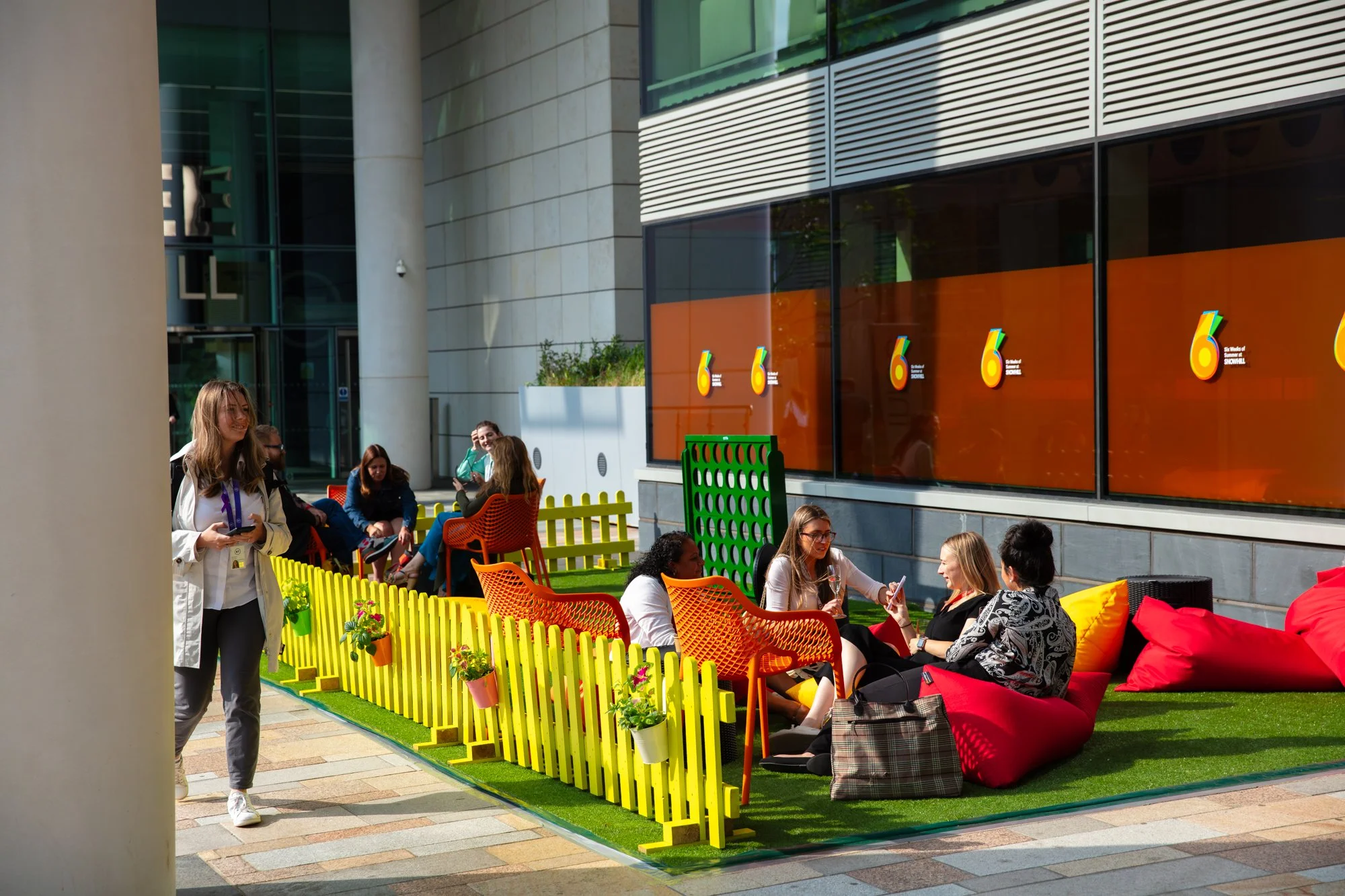
From Buildings to Belonging
The most successful places aren’t just where people work; they’re where people belong.
Today’s tenants and investors are looking for more than space; they’re looking for meaning, values, and experience. They want to align with environments that support wellbeing, foster connection, and reflect their sustainability commitments. That’s why storytelling has become such a powerful tool in commercial real estate marketing. When done well, it does more than describe a building; it brings to life a place's energy, culture, and conscience.


Storytelling That Grounds Brand in Reality
Place-based storytelling connects the physical and the emotional. It answers the question: “What does it feel like to be here?”
The best examples go beyond glossy visuals and statistics. They combine design, operations, and community into a cohesive narrative.
A sustainability-focused logistics park that celebrates its circular economy design.
A workplace that highlights its biophilic elements and wellbeing programmes.
A mixed-use development that showcases the diversity and creativity of its local neighbourhood.
Each story ties the building’s features to the human outcomes they enable: collaboration, inspiration, belonging, and pride.



ESG: From Compliance to Culture
For years, ESG sat at the back of the marketing deck, a checkbox of credentials and certifications. Now, it’s at the front.
Investors, occupiers, and end-users increasingly expect brands to demonstrate how they are creating positive impact: environmentally, socially, and economically. But here’s the nuance: it’s not enough to declare ESG intentions; they must be experienced.
That’s where marketing plays a pivotal role. By weaving ESG principles into the brand story, not as statistics, but as lived values, marketers can show how the place is designed for people and planet.
“This isn’t just a net-zero building; it’s a workplace that helps its community thrive.”
That’s the next frontier, moving ESG from report to reality.

The New Visual Language of Place
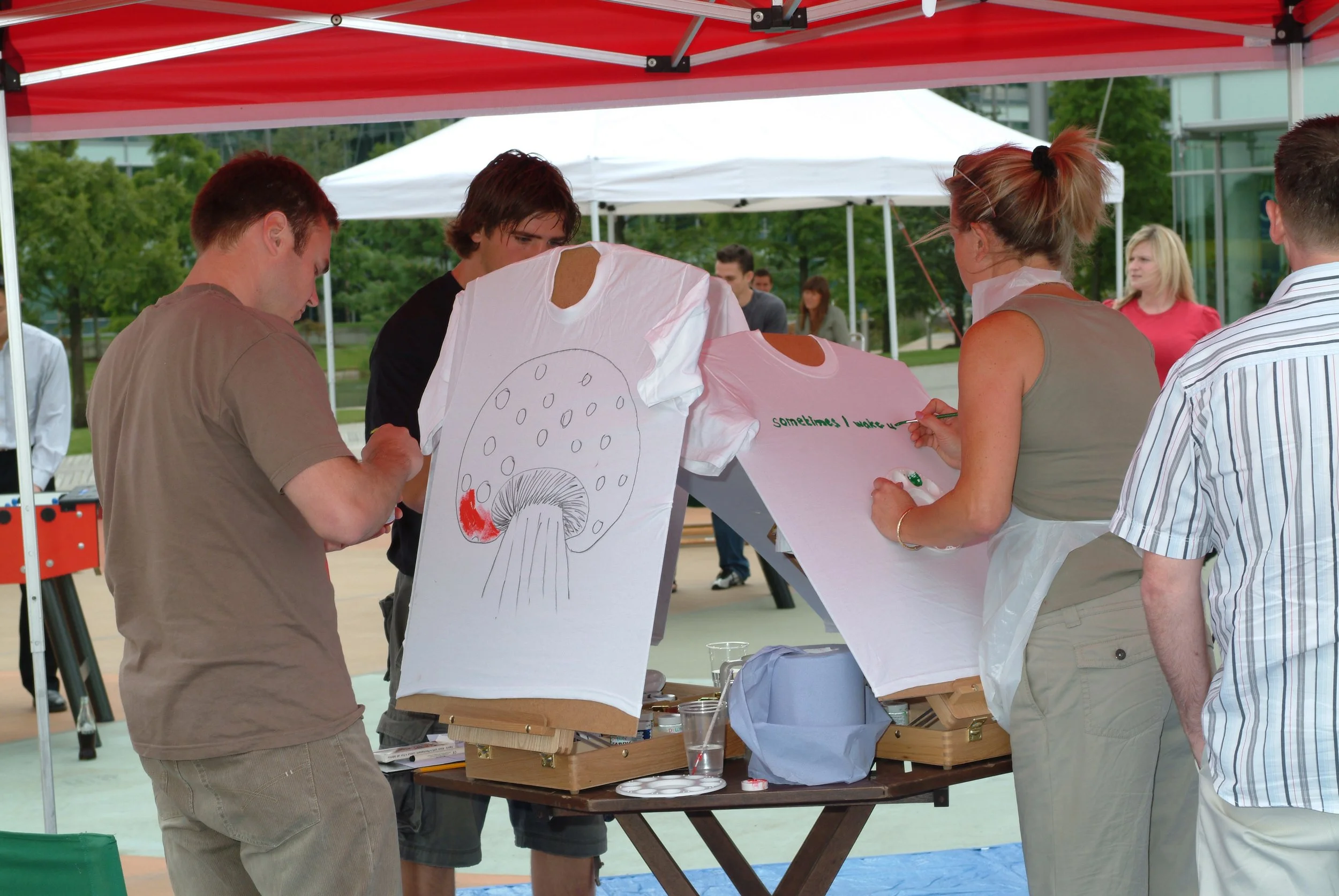
Visually, this evolution is transforming how brands present themselves. We’re seeing a move away from sterile architectural renders toward authentic human moments: teams collaborating, green spaces in use, and events that animate the public realm.
Photography, video, and digital storytelling are becoming immersive, experiential, and grounded in truth. Drone footage shows context; micro-films tell stories of tenants and communities; data visualisations reveal the impact of sustainability programmes in real time.
These elements help create a consistent emotional narrative, one that says:
“This is not just a development; it’s a destination.”
Creating Coherence Across Touchpoints
For storytelling to work, it must be consistent. Every touchpoint, from the leasing brochure to the social post to the on-site signage, should express the same brand truth. The most effective ESG-driven campaigns are those that create a joined-up ecosystem of message and experience.
When a building’s materials, tone of voice, events, and communications all reinforce the same story, it builds authenticity and trust. It signals that the brand lives its values, not just markets them.


The Consultant’s Role: Translating Purpose into Practice
For consultants and marketers, the opportunity lies in helping clients translate abstract ideas like sustainability, community, and wellbeing into tangible brand narratives.
That means:
Conducting brand audits through an ESG lens.
Aligning messaging with stakeholder values.
Creating content frameworks that demonstrate real-world outcomes and not just promises.
It’s about turning purpose into practice, and practice into story.
Looking Ahead
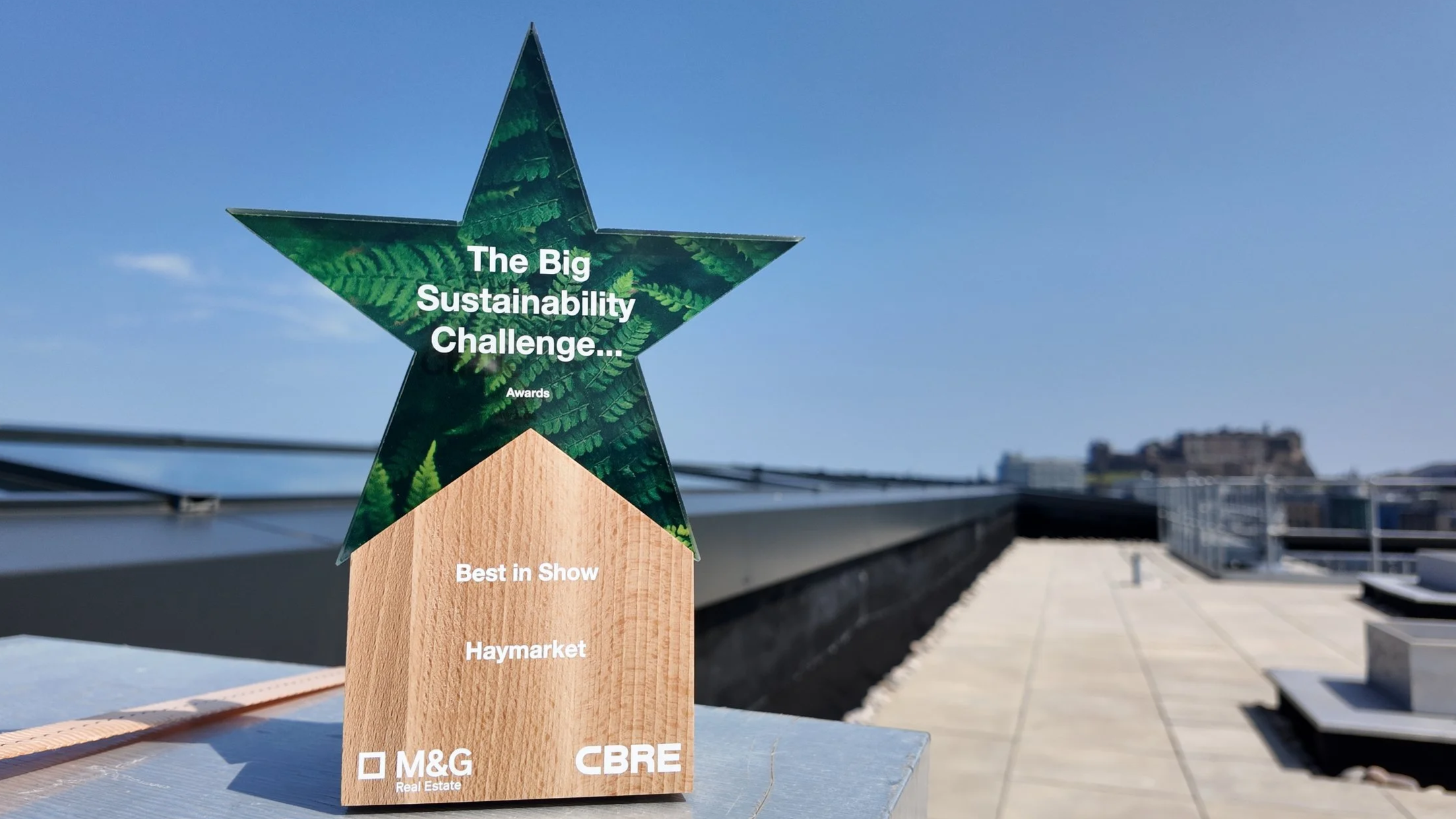
Place-based storytelling and ESG branding are redefining how commercial real estate is experienced, both physically and emotionally. They help transform assets into communities and marketing from promotion into purpose.
As brands continue to navigate this shift, the winners will be those who connect authentic narrative with demonstrable action, who recognise that sustainability, culture, and experience aren’t separate work streams, but part of one holistic brand ecosystem.
In short, the future of real estate marketing is human, responsible, and rooted in place.