Why the Best Marketing Decisions Happen in the Room with the Founder
Marketing works best in SMEs when it happens close to leadership. When founders, owners, or managing directors are involved, marketing gets clearer, more focused, and better connected to business goals. Without extra layers of management, it’s much easier to understand what the business wants to achieve and plan activities that make a real difference. In my experience, the best marketing strategies come from open conversations with the people who guide the business.

One thing I’ve come to value most about working with SMEs is getting to work directly with their leaders. Sitting down with a founder, owner, or managing director feels different. You talk not just about what the business does, but also where they want it to go, what success means, and what worries them.
These conversations are usually honest, practical, and full of useful insights. They dig deeper than basic goals and reveal the real ambitions, concerns, and opportunities that shape the business. In many ways, this is what you need to build a strong marketing strategy.
That’s why I believe the best marketing decisions often happen when you’re in the room with the founder.
People often talk about marketing in terms of channels, campaigns, creativity, or visibility. These are important, but real marketing success usually starts much earlier. It depends on how well the marketing and leadership teams understand each other. When there’s a good understanding, marketing has a clear purpose. Without it, marketing can end up out of touch with what the business really needs.
What Gets Lost Along the Way
In bigger companies, this disconnect happens a lot. Marketing teams are separated from senior leaders by layers of management, different priorities, and lots of processes. As information moves through the business, it gets filtered, goals become less clear, and the original intent can get lost.
This doesn’t usually lead to bad marketing. More often, it creates marketing that is competent but careful. It looks professional and gets things done, but something is often missing. The work might lack focus, conviction, or the confidence that comes from really understanding what the business wants to achieve. SMEs, on the other hand, have a natural advantage that people often overlook: they are close to their leaders.
Leaders in SMEs are usually easy to reach. Conversations happen faster, and decisions can be made more quickly. Most importantly, it’s easier to create marketing that matches the business’s goals. But this doesn’t always happen on its own. One common mistake I see in SMEs is bringing marketing in too late. Strategic and business decisions are made first, and then marketing is asked to communicate them after the fact.
This might seem logical at first, but it often limits what marketing can do. If marketers are brought in after decisions are made, they have to guess the intent instead of helping shape it. The result is usually a communications plan that feels more like a transaction than a real strategy. From what I’ve seen, the best results come when marketing is involved early in the decision-making process.
When Marketing Sits Close to Leadership
I saw this clearly when I worked with Capital Support Services, a facilities management company with a strong reputation and big plans for growth. Like many SMEs, they did great work, but much of it wasn’t being shared with the wider market. The problem wasn’t a lack of skill or quality. It was about explaining their value in a way that would connect with both current and potential clients.
By working directly with the Managing Director, Simon Hill, we quickly moved past surface-level marketing talks and focused on the bigger business goals. We didn’t just talk about posting more content or boosting visibility. Instead, we looked at reputation, credibility, keeping clients, and growth. We discussed how marketing could help build stronger relationships, find new business, and better show the quality of their work.


Having direct access to leadership made the process feel like a true partnership, not a series of separate steps. Decisions happened quickly, we could question assumptions openly, and ideas were improved without extra layers. Being close to leadership made it much easier to link marketing to real business needs.
One result of this teamwork was Capital Stories, a more personal, story-driven way to share what the company does. Instead of using generic messages or polished corporate language, we highlighted real examples, client results, and the people behind the work. The goal was simple: build trust by showing the business through real stories, not just marketing claims.
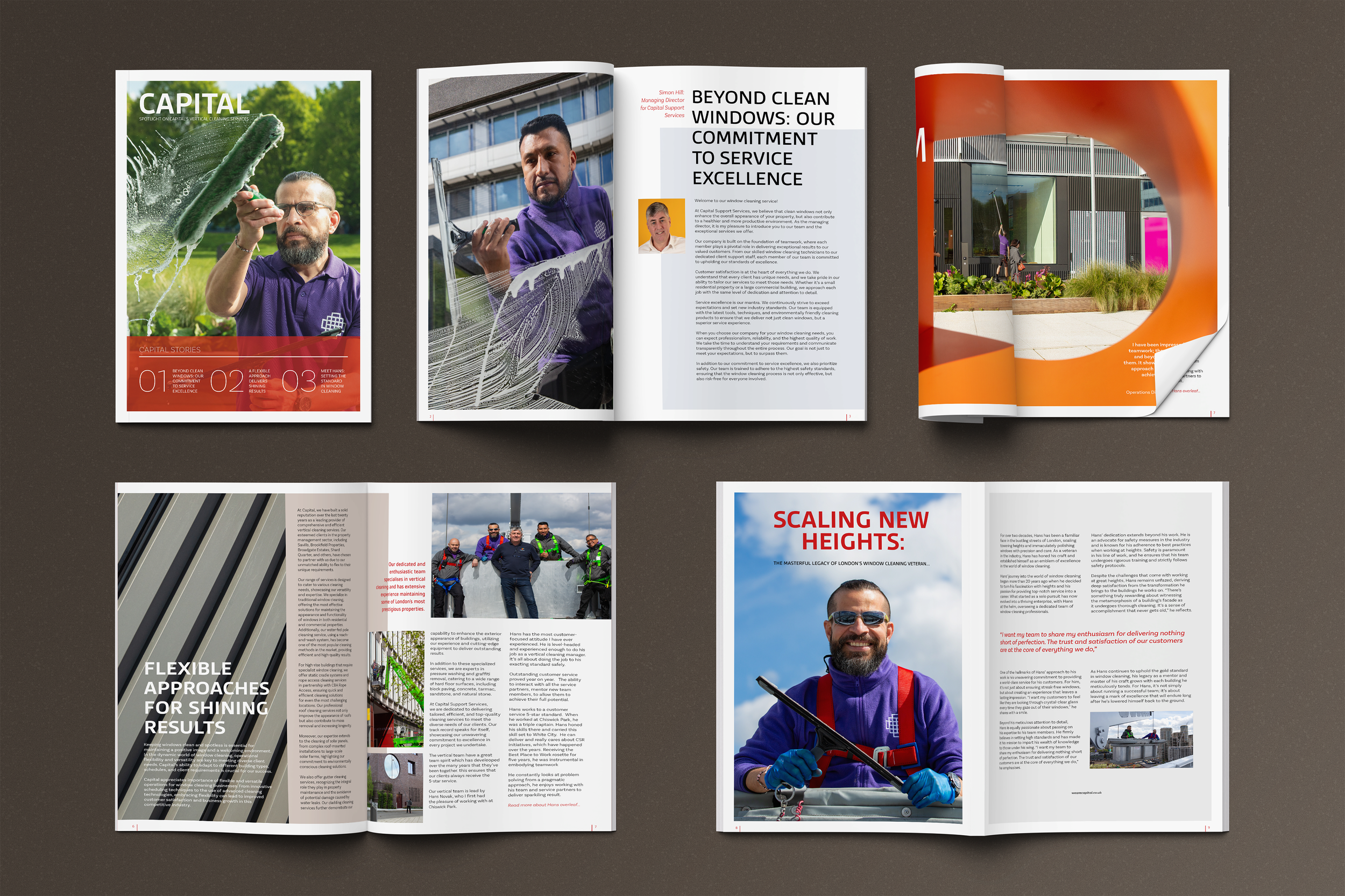
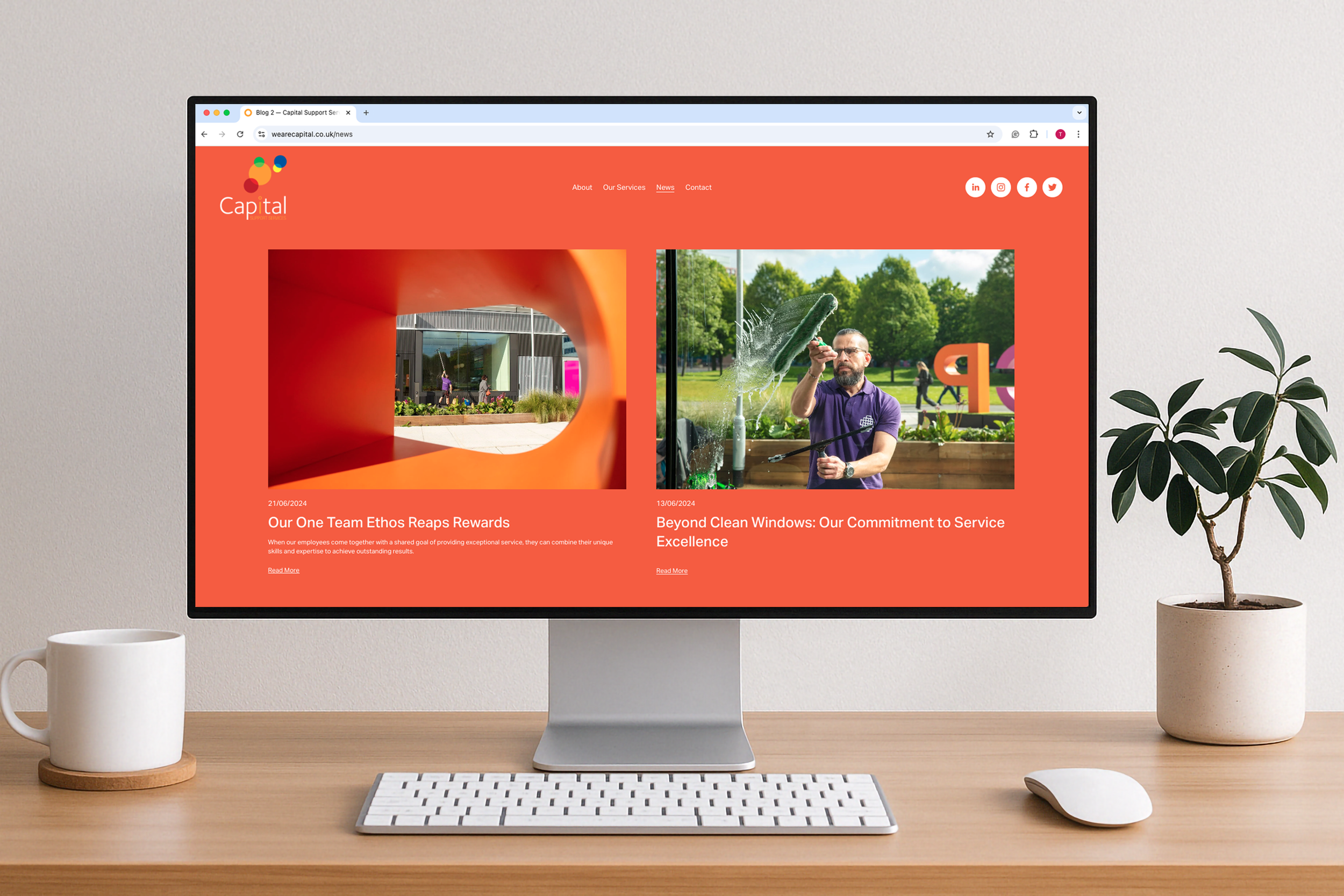
We shared these stories across different channels, used a more organised content plan, and set up HubSpot to track engagement and sales activity. Over time, the results spoke for themselves. Engagement increased, new enquiries came in, and the business won two specialist contracts worth over £250,000 a year, while also retaining an existing contract worth more than £800,000 a year.

But maybe the most important result wasn’t just the financial return. It was the confidence that came from seeing marketing directly help the business grow. When you see real proof that marketing is making a difference, the conversation changes. Investment feels more worthwhile, decisions are made with more confidence, and momentum builds.
Speed Matters More Than Many Realise
Another big advantage of working closely together is speed.
Research by McKinsey & Company shows that companies that make quick, aligned decisions tend to perform better than those that make slower, less aligned decisions. For SMEs, where resources are tight and opportunities can appear quickly, this matters even more.
A founder or managing director can often make a decision in one meeting that might take weeks in a bigger company. Ideas move from concept to action quickly, so businesses can test, learn, and adapt fast. This quick response builds momentum, which is one of the most valuable things for a growing business.
This is why I still enjoy working with SMEs. The relationship is different. Marketing isn’t just about doing separate tasks; it’s about helping shape the business’s future. You get a better sense of the company’s goals and how marketing can really help it move forward.
For many founders, marketing isn’t just a routine task. It stands for growth, confidence, and future opportunities. So, the real job is not just to do marketing, but to make sure it matches what the business wants to achieve.
When marketing works closely with leadership, it’s much easier to get that alignment.
Challenge:
Think about how marketing decisions are made in your business. Is marketing involved early enough to help set the direction, or is it mostly asked to communicate decisions that are already made? If marketing joined the conversation sooner, what could be different?