
From Activity to Engagement: Why Meaningful Experiences Create Momentum
Many organisations invest considerable time and effort in customer engagement but struggle to create experiences that people genuinely remember. Activity is often mistaken for engagement, particularly within sectors such as commercial real estate and professional services, where customer experience can become transactional and quickly forgotten. Meaningful engagement, however, creates emotional connection, builds momentum, and supports wider commercial goals. When experiences are designed with intent and linked to a clear objective, they not only create stronger relationships but also provide evidence that can unlock confidence, investment, and long-term impact.
One of the questions I often find myself reflecting on is this: What do we actually mean by engagement?
It is a term that appears regularly in business conversations, particularly in marketing, customer experience, and workplace strategy. Yet too often, engagement is treated as something measurable simply because activity has taken place.
An event was delivered
A campaign went live
An activation happened in the reception area
People attended
Photographs were taken
And then, very quickly, everyone moved on.
The challenge is that activity and engagement are not the same thing. In many sectors (particularly commercial real estate), what passes for customer engagement can often feel transactional. A free pastry in reception, a smoothie bike, or a table offering branded merchandise. Individually, there is nothing inherently wrong with these moments. Some may even be enjoyable. The difficulty is that most are forgotten by the time people reach the lift.
That may sound harsh, but it raises an important question: If an experience leaves no lasting impression, was it truly engagement at all?
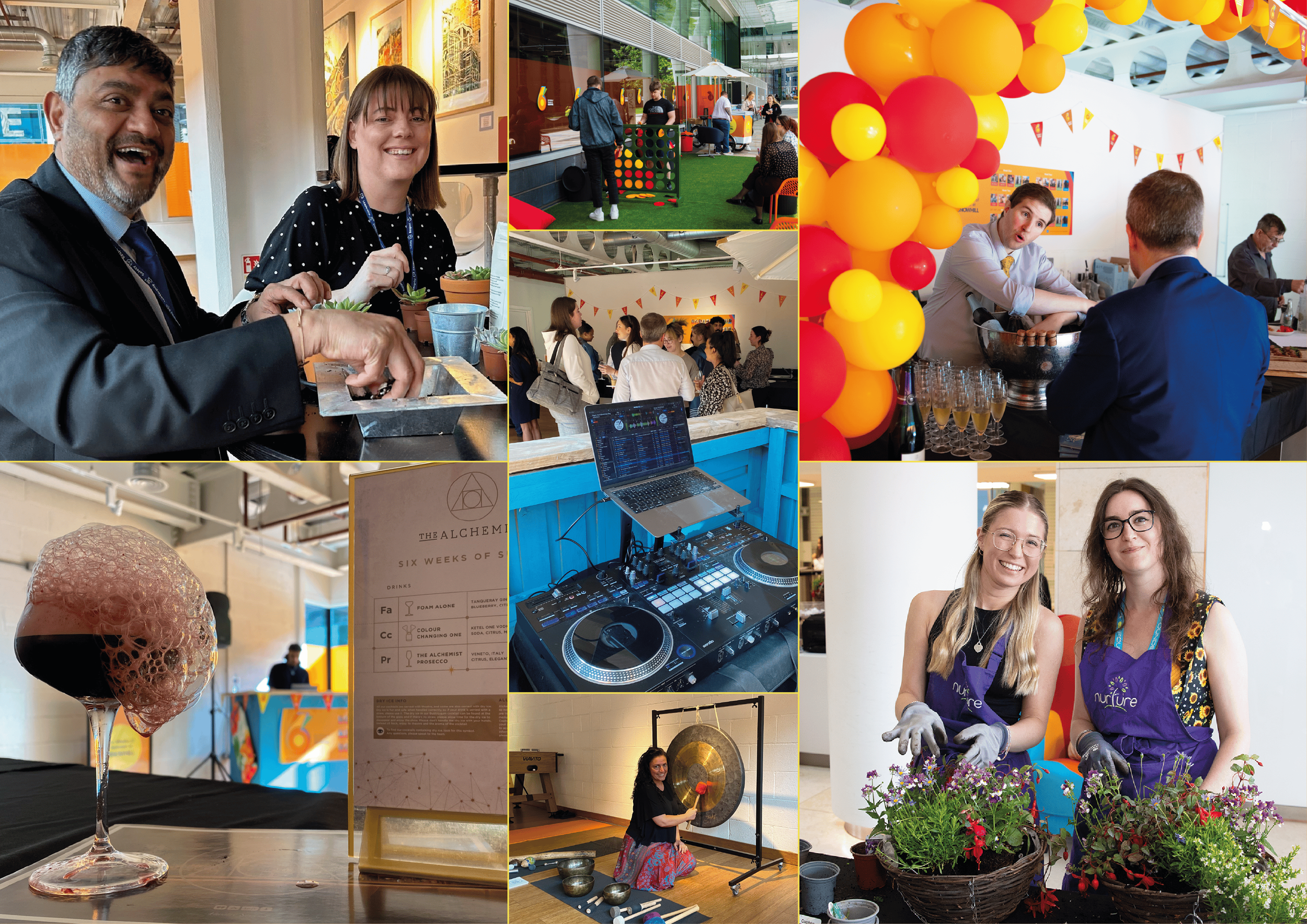
The Difference Between Activity and Engagement
Meaningful engagement tends to have something in common: it creates an emotional response. People feel something.
They are surprised, entertained, inspired, challenged, or connected to something larger than themselves. More importantly, they remember it. They talk about it afterwards. They return for more. In some cases, they begin to associate those positive feelings with the place, brand, or organisation that created the experience in the first place. This distinction matters because engagement, when done well, has commercial value.
For landlords, it can support tenant retention and help shape perceptions of an asset. For businesses, it can strengthen relationships, increase loyalty, and create moments that reinforce culture and belonging. For brands more broadly, it can help people feel emotionally connected in ways that traditional communication rarely achieves on its own.
Research from the Event Marketing Institute has consistently shown that live experiences create stronger emotional engagement and higher brand recall than many traditional forms of communication. In simple terms, people remember what they experience more than what they are told. Yet despite this, many organisations continue to prioritise activity over meaning.
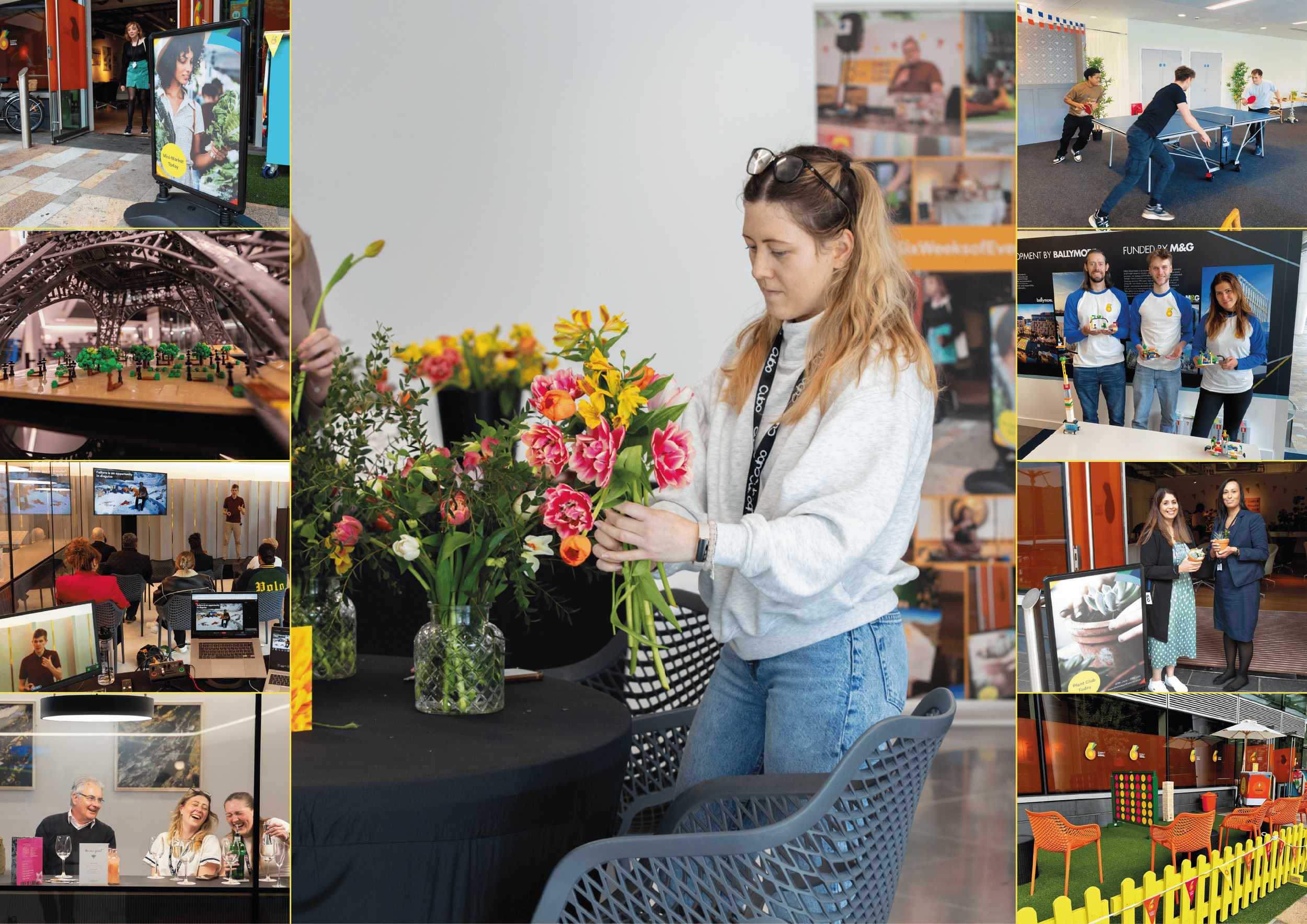
Why We Needed to Prove a Different Model
This was something I encountered regularly while leading customer engagement programmes within commercial real estate. Across many buildings, customer experience activity tended to follow a familiar pattern. Events happened, but often with limited strategic intent or consistency. Engagement was frequently measured by attendance rather than impact. More importantly, many experiences felt fleeting, pleasant enough in the moment, but quickly forgotten.
At CBRE, I had become increasingly convinced that there was a better way to approach engagement. Together with colleagues, we had been exploring the concept of EPIC events, experiences designed around four principles: Elevation, Pride, Insight, and Connection.
The thinking behind this was relatively simple. If you want people to engage, you need to create experiences that leave a lasting impression. A memory. A conversation. A stronger sense of belonging. An emotional response that lasts longer than the walk back to the office. The challenge, however, was proving that this approach could work at scale. Belief alone would not be enough. We needed evidence.

The Six Weeks Experiment
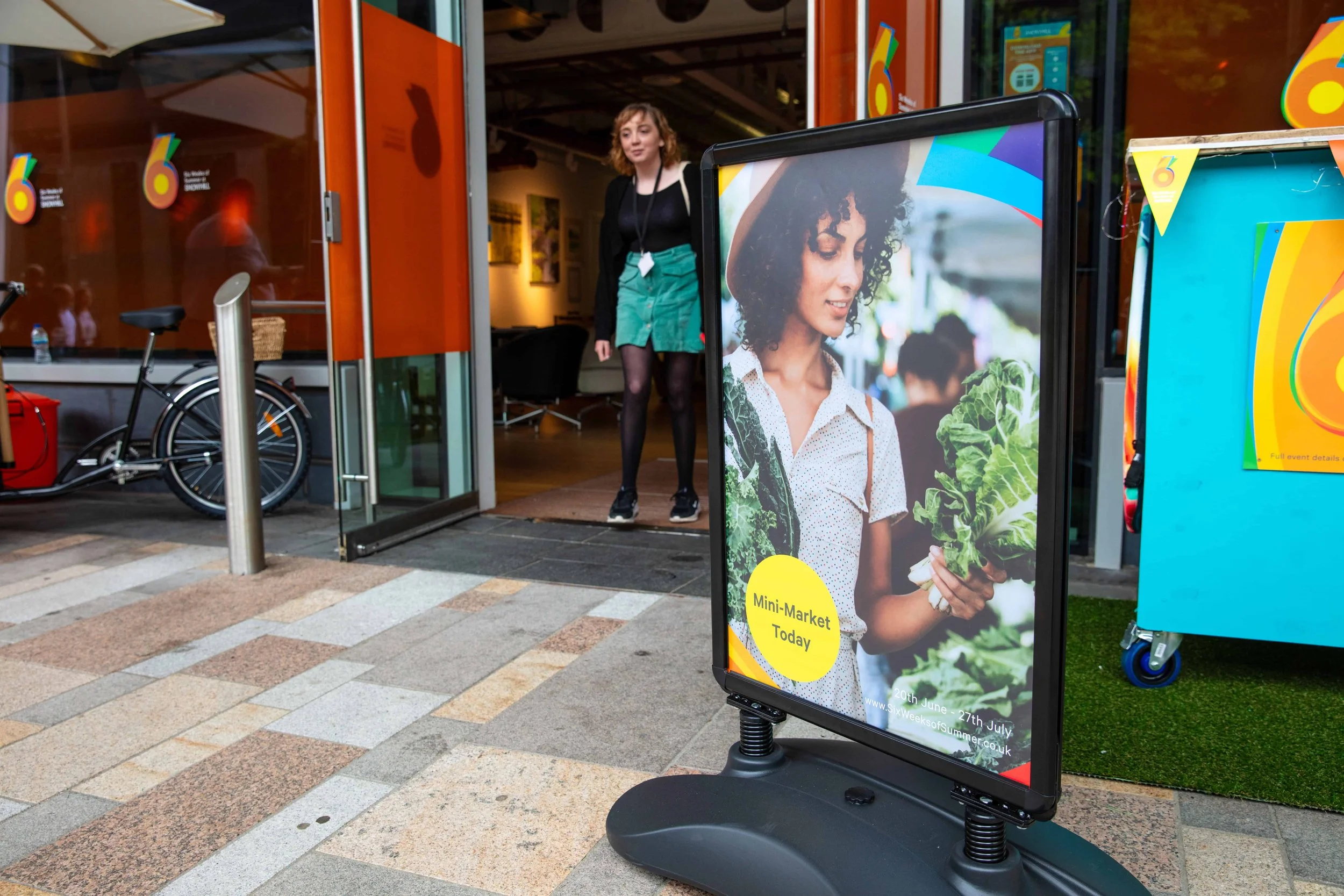
The opportunity came unexpectedly. At Snowhill in Birmingham, there was a vacant retail unit, a former coffee shop, sitting empty within a prominent office building. Rather than seeing it simply as unused space, we saw potential.
What if it became a live experiment? What if we created a programme of experiences designed not around activity, but around genuine engagement?
Working alongside colleagues, including Paul Murray, Head of FM Operations, and Ciaran Foley, Property Management Director at CBRE, as well as Aaron Pope and senior stakeholders at M&G Real Estate, we developed a pilot programme called Six Weeks of Summer.
The ambition was not modest. We wanted to show that customer engagement can be more meaningful, memorable, and ultimately more valuable than the standard approach often seen across the industry. With a modest budget of about £23,500 and a tight turnaround of a few weeks, we turned the space into an active destination and created a programme of events and experiences that foster emotional connection rather than transactional interaction.
The intention was never simply to entertain. It was to create experiences people would actively choose to attend and, crucially, return for.
The Turning Point: Evidence from the First Events
What happened next was important. The first few events landed strongly. Attendance was encouraging, but more significantly, the feedback told a different story. Customers were not simply turning up and moving on. They were talking about the experiences. They were returning. They were recommending them to colleagues.
In post-event surveys, customers consistently scored the events highly, often commenting on how refreshing it felt to experience something that genuinely added value to their working day. That feedback mattered enormously. Because customer insight from those early events provided something more powerful than enthusiasm. It provided evidence. Evidence that meaningful engagement could shift perception. Evidence that people valued experiences which felt intentional and emotionally resonant. And evidence that a different model of customer engagement was not only possible but also commercially worthwhile.
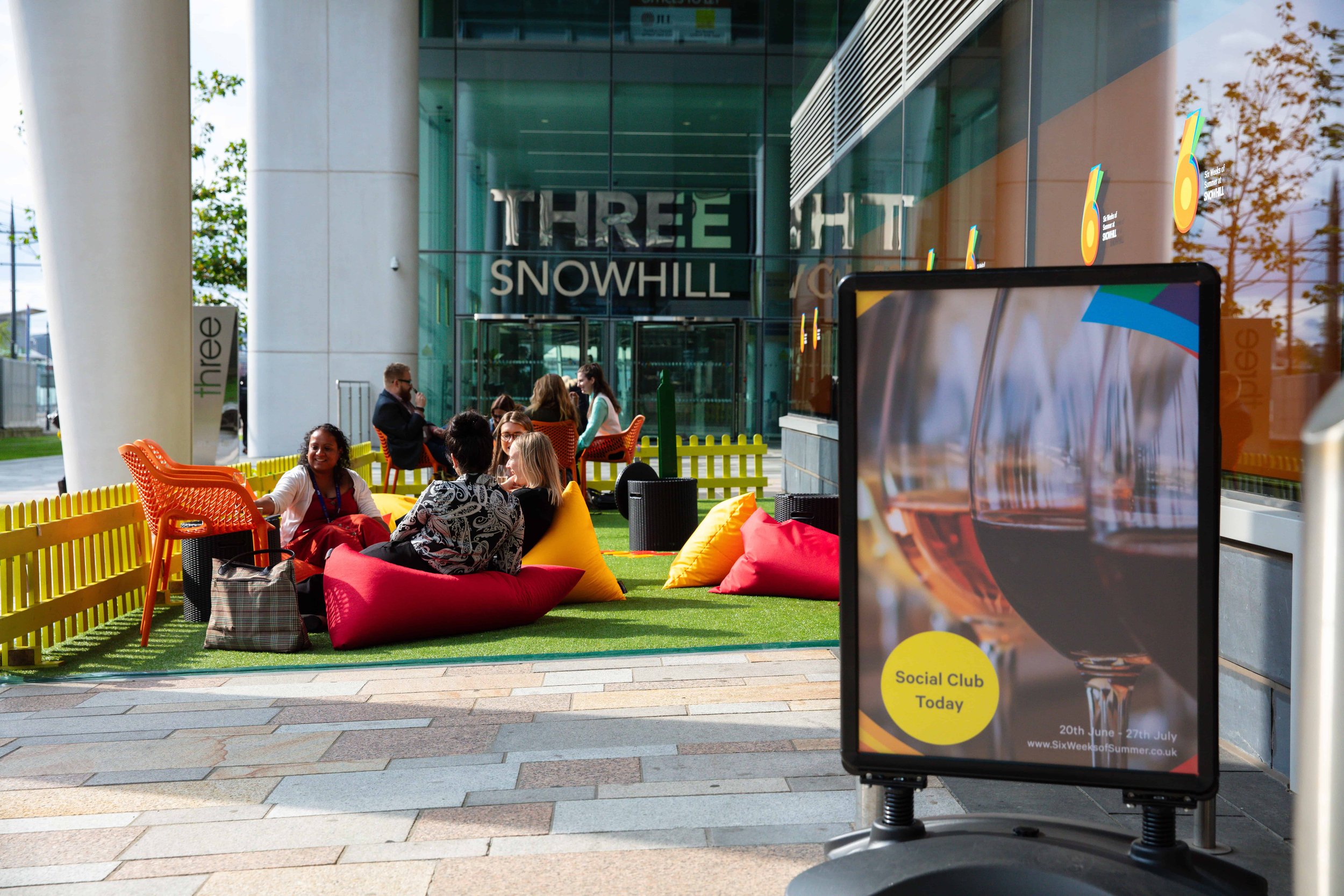
When Momentum Begins to Build
Momentum in business rarely arrives through one dramatic moment. More often, it builds gradually through confidence. The early success of Six Weeks of Summer led stakeholders to believe that this approach could be expanded. Engagement levels were high, Net Promoter Scores improved significantly, and digital engagement increased through bookings, subscriptions, and repeat participation.
Most importantly, the pilot provided a credible case for investment. What started as a single-site programme grew into a fully funded national initiative worth £300,000, delivered across multiple locations and engaging thousands of customers through a rolling programme of experiences. What began as a pilot in a vacant retail unit has become a scalable way to engage across the wider portfolio.
Importantly, success was not measured solely by attendance. It contributed to improved collaboration across teams, stronger customer sentiment, and, in some cases, supported wider leasing conversations and tenant retention. The programme created value because it was designed with intent.
Why This Matters Beyond Real Estate
Although this experience sits within the commercial real estate sector, I believe the lesson applies much more broadly. Many organisations spend considerable energy creating activity but far less time considering whether those experiences are genuinely memorable.
This applies equally to:
Customer Engagement
Internal Communications
Events
Marketing Campaigns
Client Experience.
People remember how something made them feel. They remember moments that feel thoughtful, surprising, useful, or emotionally engaging. They are far less likely to remember an activity that feels generic or transactional.
Meaningful experiences create momentum because they generate belief. Belief among customers that they are valued. Belief among teams that something is working. And belief among leadership that investment is worthwhile. That belief is often what turns an idea into something much bigger.

There is nothing wrong with activity.
Businesses need momentum, visibility, and opportunities to engage. But activity alone is not the goal. The real question is whether the experience leaves something behind:
A memory
A conversation
A sense of connection
Or simply a feeling that this was genuinely worth someone’s time.
When experiences are designed with purpose and linked to a broader objective, engagement stops being a moment. It becomes momentum.
Challenge:
Think about the experiences your organisation creates for customers, colleagues, or clients. How many are genuinely remembered a week later, and how many are forgotten before people even reach the lift?